Why Padel Holidays Spain Are the Ultimate Getaway for Players of Every Level
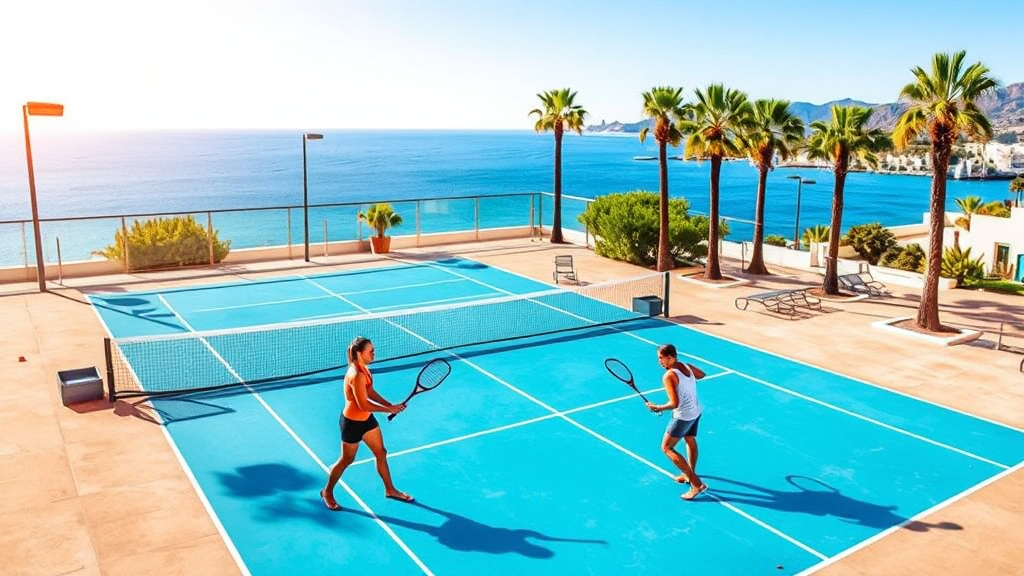
There is something special about stepping onto a sun-drenched court with the sound of the ball bouncing off the glass, the warm Mediterranean breeze on your skin, and the promise of a week filled with rallies, laughter, and improvement. For anyone who loves the fastest-growing racket sport in the world, the idea of combining a vacation with daily training is irresistible. That is precisely why padel holidays Spain have become so popular among both casual players and competitive enthusiasts. Spain is not just the birthplace of professional padel success; it is the heart of the sport’s culture, with more courts per capita than anywhere else in Europe and a climate that allows for year-round play.
Planning a trip focused on padel is about more than just booking a court for an hour. It is about immersing yourself in an environment where the sport is a way of life. From the moment you arrive, you are surrounded by people who share your passion. The mornings start with technique drills, the afternoons are filled with tactical match play, and the evenings are spent sharing tapas and stories with new friends from around the world. This article explores why choosing Spain for your next sporting holiday is a decision that will transform your game and recharge your spirit.
The Unique Appeal of Spanish Padel Culture
To understand why padel holidays Spain are so special, you first need to understand the local culture. In Spain, padel is not a niche activity; it is a mainstream social phenomenon. Walk through any residential area in Madrid, Barcelona, or the coastal towns of Mallorca, and you will see clubs bustling with activity from early morning until late at night. The courts are often surrounded by spectators enjoying a drink, creating a festive atmosphere that is hard to find elsewhere. This social dimension is a huge part of the appeal. When you join a camp here, you are not just a student; you are a guest in a community that welcomes players of all ages and abilities.
Moreover, the quality of coaching available is second to none. Many of the world’s top professional players train in Spain, and the coaching methodology has been refined over decades. Whether you are a beginner learning the bandeja for the first time or an advanced player looking to sharpen your defensive skills, the instruction you receive is based on a deep understanding of the game. The facilities are also top-notch, with many clubs featuring indoor and outdoor courts, video analysis, and physical conditioning areas. This combination of culture, coaching, and infrastructure makes Spain the undisputed number one destination for padel enthusiasts.
Choosing the Right Camp: From Social Play to Intensive Training
Not all padel holidays are the same, and the beauty of the Spanish market is the variety on offer. Some travellers want a relaxed experience where they can play a few hours a day and spend the rest of the time by the pool. Others are laser-focused on improvement, wanting to pack in as many hours of coaching and practice as possible. When you look at options for padel holidays Spain, you will find programmes that cater to both extremes and everything in between. The key is to be honest with yourself about your goals.
For those who want a balanced trip, a camp that offers morning training sessions and afternoon social matches is ideal. This structure allows you to work on specific technical aspects with a coach, then immediately apply them in a low-pressure game. For the more dedicated player, intensive camps offer double sessions daily, often including physical fitness work and tactical analysis. These are demanding but incredibly rewarding. Many camps also arrange social events, including group dinners and excursions, which add a holiday feel to the training schedule. This flexibility means you can tailor your week to match your energy levels and objectives, ensuring you leave feeling both satisfied and rejuvenated.
Mallorca: A Premier Destination for Padel and Relaxation
While the mainland has many fantastic venues, the Balearic Islands offer a unique twist on the padel holiday experience. Mallorca, in particular, has emerged as a hub for high-quality camps. The island combines excellent sporting facilities with a stunning natural landscape of mountains, beaches, and charming villages. After a morning on the court, you can spend your afternoon swimming in crystal-clear coves or exploring the historic streets of Palma. This blend of active sport and leisure is what makes an island retreat so appealing. The climate is also ideal, with mild winters and long, sunny summers that extend the playing season well beyond that of northern Europe.
One of the standout providers in this region is Island Padel Camps, which has established a reputation for delivering tailored experiences at top local clubs. Their approach is built around small groups and personalised attention, ensuring that every participant gets the most out of their time. Whether you are travelling solo, with a partner, or as part of a group of friends, they can arrange a programme that fits your schedule and skill level. The combination of expert coaching, professional facilities, and the beautiful Mallorcan setting creates an environment that is both inspiring and motivating. For many visitors, the week becomes a highlight of their year, a chance to disconnect from daily stress and focus entirely on the sport they love.
What to Expect from a Typical Day at a Spanish Padel Camp
If you have never attended a padel camp before, you might wonder what the daily routine looks like. While schedules vary, most camps follow a similar pattern that balances effort with enjoyment. A typical day starts with a light breakfast, followed by a morning session that focuses on technique. This might involve drilling specific shots like the chiquita or the vibora, with the coach providing individual feedback. After a break for lunch and some rest, the afternoon session usually shifts towards tactical play and match situations. You might play practice points, work on communication with a partner, or analyse game footage.
The evenings are often the most social part of the day. Many camps organise group activities such as a friendly tournament, a BBQ, or a trip to a local beach bar. This is where friendships are forged. It is not uncommon for participants to exchange contact details and plan to meet up at future tournaments or camps. The atmosphere is inclusive and supportive, which helps players relax and play their best. For those staying for a week or more, there is also time to explore the local area. Renting a car and driving along the coast, visiting a vineyard, or simply enjoying a long lunch at a seaside restaurant are all excellent ways to round out the holiday experience.
Improving Your Game: The Benefits of Immersive Training
There is a significant difference between playing a couple of hours a week at your local club and spending a full week in an immersive training environment. The rapid improvement that players experience during padel holidays Spain is not just due to the number of hours on court. It is also about the consistency of feedback. When you have a coach watching your every move for several days, they can identify recurring errors that you might not notice yourself. They can adjust your grip, your footwork, or your positioning, and you have the time to build new muscle memory before reverting to old habits.
Another benefit is the opportunity to play against a variety of opponents with different styles. In a camp, you will be paired with players of similar levels, but you will also face challenges from people who play differently than your usual partners. This exposure forces you to adapt and expand your tactical repertoire. Additionally, the physical aspect of playing every day improves your fitness, speed, and stamina. Many players return home feeling stronger and more confident, and they often find that their regular game has reached a new level. The combination of high-quality coaching, varied practice, and a supportive environment is a formula for genuine progress.
Planning Your Trip: Practical Tips and Considerations
When planning your padel holiday, there are a few practical points to consider to ensure you get the most out of the experience. First, think about the time of year. Spring and autumn offer the most comfortable temperatures for playing, with less intense heat than the summer months. However, summer is great for combining training with beach time. Second, consider your accommodation. Some camps offer packages that include hotel stays, while others allow you to book your own lodging. Staying close to the club is convenient, but staying in a more central location might offer better evening entertainment options.
It is also wise to bring appropriate equipment. While most clubs provide rackets for hire, using your own racket is always preferable. Make sure to bring comfortable clothing suitable for warm weather, as well as good quality shoes designed for padel or artificial turf. Don’t forget sunscreen, a hat, and a water bottle. Finally, be open to the experience. The best memories often come from unexpected moments, whether it is a close match that goes to a tie-break or a conversation with a fellow player from a different country. The goal is to improve, but also to enjoy the journey. With the right mindset, a week in Spain can be a transformative experience for both your game and your well-being.
Frequently Asked Questions About Padel Holidays in Spain
Do I need to be an experienced player to join a padel camp?
Not at all. Camps in Spain cater to all levels, from absolute beginners to advanced competitors. The groups are usually divided by skill level, so you will always be playing with people of a similar standard. This ensures that everyone gets appropriate coaching and enjoys competitive matches.
What is the best time of year to book a padel holiday in Spain?
The spring months (April to June) and autumn months (September to October) offer the most pleasant playing conditions with mild temperatures. However, the summer is also popular for those who want to combine training with beach holidays. Winter is mild in southern Spain and the islands, making year-round play possible.
What should I pack for a padel training camp?
You should pack your own padel racket if you have one, along with non-marking court shoes, comfortable sportswear, and plenty of sun protection including a cap and sunscreen. A water bottle is also essential. Most clubs provide balls and can lend equipment if needed, but it is always better to bring your own.
Can I combine a padel camp with other holiday activities?
Absolutely. Many camps are located in areas that offer a wide range of activities, from water sports to cultural sightseeing. You can easily rent a car and explore the island or the surrounding region during your free time. This makes it a perfect holiday for couples or groups where not everyone plays padel.