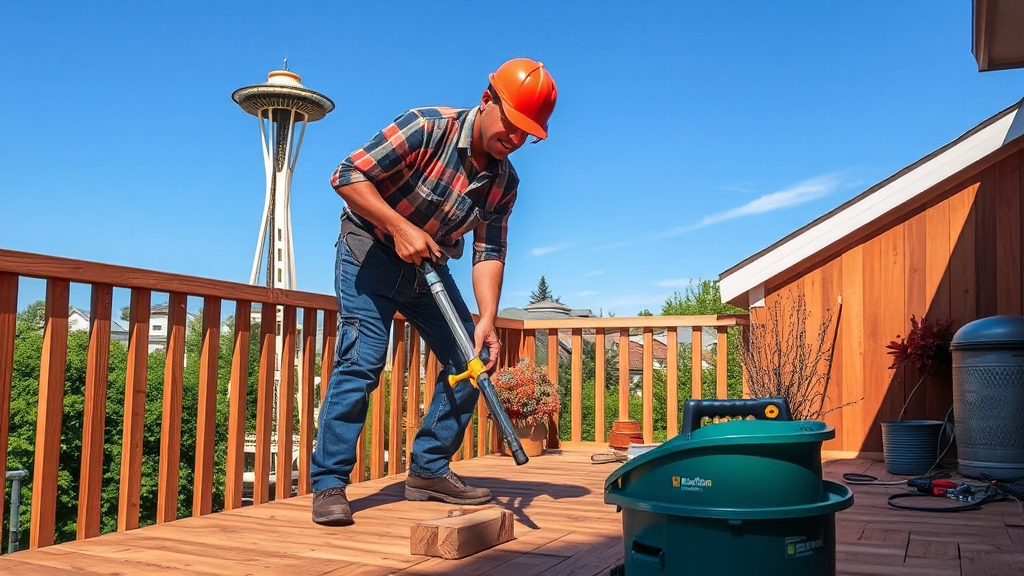
How to Choose the Right Handyman in Seattle: A Practical Guide for Homeowners
Seattle’s housing stock ranges from century-old Craftsman bungalows to sleek modern condos, and each comes with its own maintenance quirks. Rain-soaked winters can wreak havoc on decks, roofs, and windows, while the region’s rapid growth means many homes have been updated in stages — leaving a patchwork of DIY fixes and half-finished projects. Whether you need a squeaky door silenced, a drywall patch smoothed, or a full bathroom refresh, finding a reliable handyman in seattle can save you time, money, and a lot of frustration. But with so many options, how do you separate true professionals from weekend warriors? This guide will walk you through the key factors to consider, common projects, and questions to ask before hiring anyone.
Why Seattle Homeowners Need a Trusted Handyman
Seattle’s climate is beautiful, but it’s also demanding. Constant moisture and temperature swings can cause wood to warp, paint to peel, and seals to fail. A good handyman understands these local conditions and can proactively address issues before they become costly repairs. For example, a handyman who knows how to properly waterproof a deck or seal a window against Seattle’s relentless drizzle is worth their weight in gold. Beyond weather-related work, many homeowners simply lack the time or skill to tackle the endless list of small tasks that accumulate — from installing a garbage disposal to repairing a torn screen. Hiring a professional ensures these jobs are done correctly and safely, protecting your home’s value and your peace of mind.
What Services Does a Seattle Handyman Typically Offer?
While the term “handyman” can cover a wide range of services, most Seattle-area pros focus on minor repairs and maintenance. Here are some of the most common tasks they handle:
- Interior repairs: Drywall patching, painting, door and window adjustments, trim installation, and cabinet repairs.
- Exterior maintenance: Gutter cleaning, deck staining, siding repair, and weatherproofing.
- Plumbing basics: Fixing leaky faucets, replacing toilets, unclogging drains, and installing fixtures.
- Electrical light work: Replacing outlets, installing ceiling fans, and upgrading light fixtures (within code).
- Furniture assembly: Flat-pack furniture, shelving units, and home office setups.
If a project requires a licensed electrician or plumber for major work, a reputable handyman will tell you upfront — and may even recommend someone they trust. That honesty is a hallmark of a professional.
How to Vet a Handyman in Seattle
Finding the right handyman in seattle isn’t just about picking the first name from a search engine. It requires due diligence. Here’s a step-by-step approach:
1. Check Licensing and Insurance
Washington state doesn’t require a general contractor license for handyman work under $1,000, but it does require registration with the Department of Labor & Industries (L&I) for any work over that amount. Always ask for proof of insurance, including liability and worker’s compensation. This protects you if an accident happens on your property. A professional handyman will have no problem providing these documents.
2. Ask for References and Portfolio
A good handyman should be able to provide references from past clients and photos of completed work. Don’t be shy about contacting those references. Ask about punctuality, cleanliness, communication, and whether the work held up over time.
3. Read Online Reviews
Websites like Yelp, Google, and Angi are goldmines of information. Look for patterns in reviews — if multiple people mention the same issue (e.g., “showed up late”), take it seriously. Also, check how the business responds to negative reviews; a professional will address complaints constructively.
4. Get Multiple Quotes
While the cheapest quote isn’t always the best, getting 2-3 estimates helps you understand the market rate and gauges how each handyman communicates. Be wary of quotes that are significantly lower than others — they may cut corners or use subpar materials.
Red Flags to Watch Out For
Not every handyman is created equal. Watch out for these warning signs:
- No insurance or license: If they can’t provide proof, walk away.
- Requests for full payment upfront: A deposit is common, but never pay the full amount before work is done.
- Vague or evasive answers: A professional should be able to explain their process and pricing clearly.
- No written contract: Even for small jobs, a written agreement outlining scope, timeline, and cost protects both parties.
- Pressure tactics: If they try to rush you into a decision, that’s a red flag.
Cost of Hiring a Handyman in Seattle
Pricing for handyman services in Seattle varies based on the complexity of the job, materials, and the professional’s experience. On average, you can expect to pay between $50 and $100 per hour, with a typical minimum charge of $100-$150. Some projects are priced as a flat fee, especially for common tasks like installing a ceiling fan or repairing a drywall patch. Always ask for a detailed estimate before work begins, and make sure it includes labor, materials, and any potential additional charges.
DIY vs. Hiring a Professional: When to Call a Handyman
Some tasks are perfect for DIY enthusiasts — painting a small room or assembling a bookshelf might be manageable. However, if a job involves electrical work, plumbing, or structural repairs, it’s safer to hire a pro. Additionally, if you’ve attempted a repair and made it worse, or if you simply don’t have the time, a handyman is a wise investment. They bring the right tools, experience, and knowledge of local building codes, ensuring the job is done right the first time.
How to Build a Long-Term Relationship with Your Handyman
Once you find a reliable handyman in seattle, treat them like a trusted partner. Keep their contact info handy, schedule regular maintenance check-ups, and don’t hesitate to call for small issues before they become big ones. A good handyman will appreciate repeat business and may offer priority scheduling or discounts for loyal customers. Building that relationship means your home stays in top shape year-round.
Frequently Asked Questions
How do I find a handyman in Seattle?
Start by asking neighbors, friends, or local Facebook groups for recommendations. Then, verify credentials, read reviews, and get quotes from at least two candidates before making a decision.
What is the average hourly rate for a handyman in Seattle?
Rates typically range from $50 to $100 per hour, depending on the complexity of the work and the handyman’s experience. Some may charge a flat fee for common tasks.
Are handymen in Seattle licensed?
Washington state requires handymen to register with L&I if they perform work over $1,000. However, many professionals hold additional certifications or licenses for specific trades. Always ask for proof of insurance and registration.
Can a handyman do electrical or plumbing work?
Handymen can perform minor electrical and plumbing tasks, such as replacing fixtures or fixing leaks. However, major work that requires a permit must be done by a licensed specialist. A reputable handyman will know the limits and recommend the right professional when needed.
How far in advance should I book a handyman?
During peak seasons (spring and summer), it’s wise to book 2-3 weeks in advance. For urgent repairs, many handymen offer emergency services, but be prepared to pay a premium.
Conclusion
Your home is one of your biggest investments, and keeping it in good repair is essential. Whether you’re dealing with a leaky faucet, a cracked tile, or a full list of small tasks, a skilled handyman can make your life easier. By following the tips in this guide, you’ll be well-equipped to find a professional who delivers quality work at a fair price. Remember to do your research, ask the right questions, and trust your instincts. With the right help, your Seattle home will stay comfortable, safe, and beautiful for years to come.
Readers who are interested in this topic will benefit from exploring multiple perspectives and understanding the nuanced approaches that industry leaders recommend. Taking time to research thoroughly ensures better outcomes and more informed decision-making.
Those looking to gain deeper knowledge in this area should consider following expert analysis, staying updated with the latest developments, and engaging with professional communities where these topics are discussed in detail.
A comprehensive understanding of this subject requires looking at both theoretical foundations and practical applications. By combining study with hands-on experience, learners can develop a well-rounded perspective that serves them well in real-world scenarios.
As the landscape continues to shift and evolve, staying informed about emerging trends and best practices becomes increasingly valuable. This ensures you remain competitive and capable of adapting to new challenges as they arise.